3 Key Takeaways from the Space Software Summit
November 3, 2026

November 3, 2026
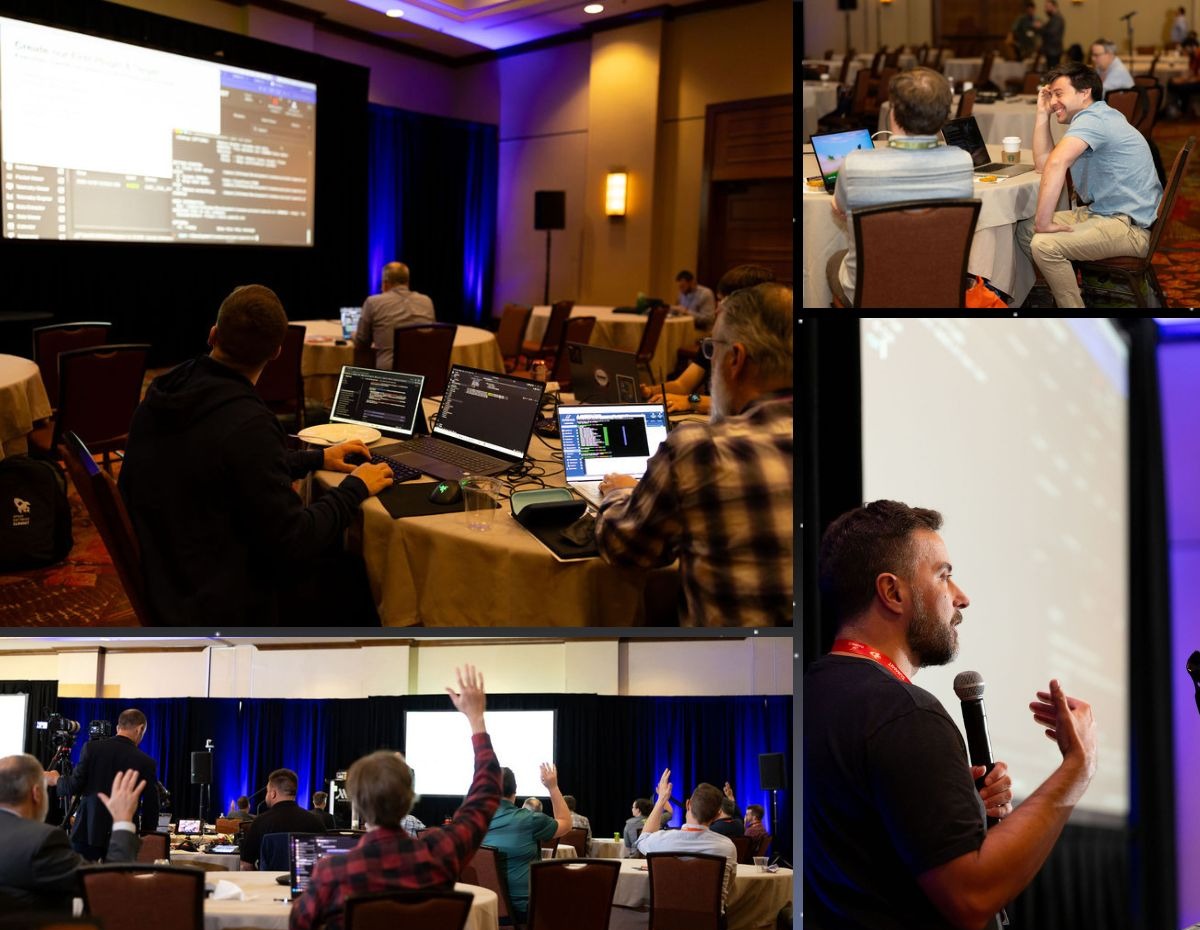
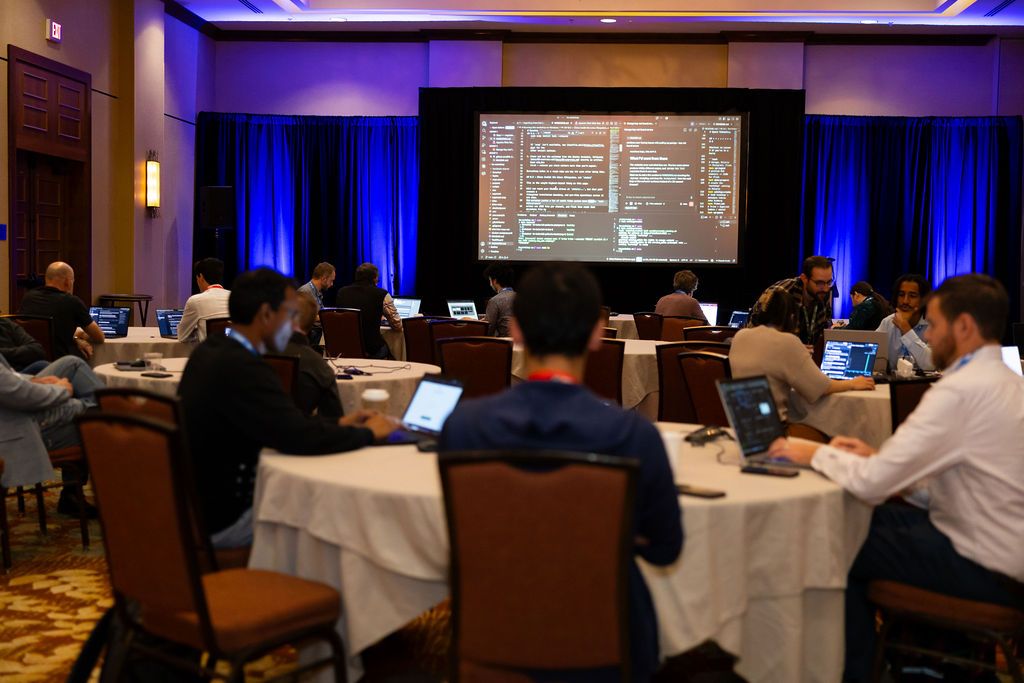
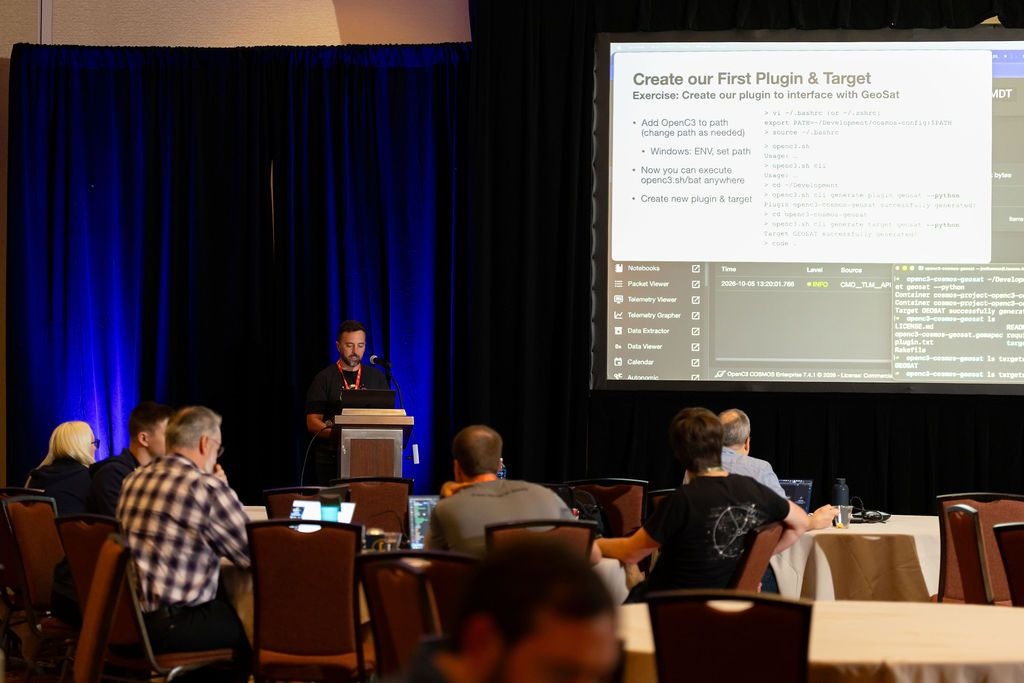
Necara Solutions founder Dirv Irvin attended the Space Software Summit in Colorado, hosted by OpenC3, where engineers and industry leaders came together to discuss the technologies, frameworks, and architectures shaping the future of space software.
Many of the conversations reinforced challenges we're seeing across the industry, particularly around software complexity, flexibility, and the need to build systems that can adapt as mission requirements evolve.
Here are Dirv’s three biggest takeaways.
Frameworks like NASA's Core Flight System (cFS) and JPL's F´ (F Prime) were part of the conversation, highlighting the growing ecosystem of tools available to space software developers.
While these frameworks provide valuable capabilities, implementing and maintaining them still requires specialized expertise. Engineering teams need to consider not only what a framework can do today, but also how easily it can accommodate future mission requirements.
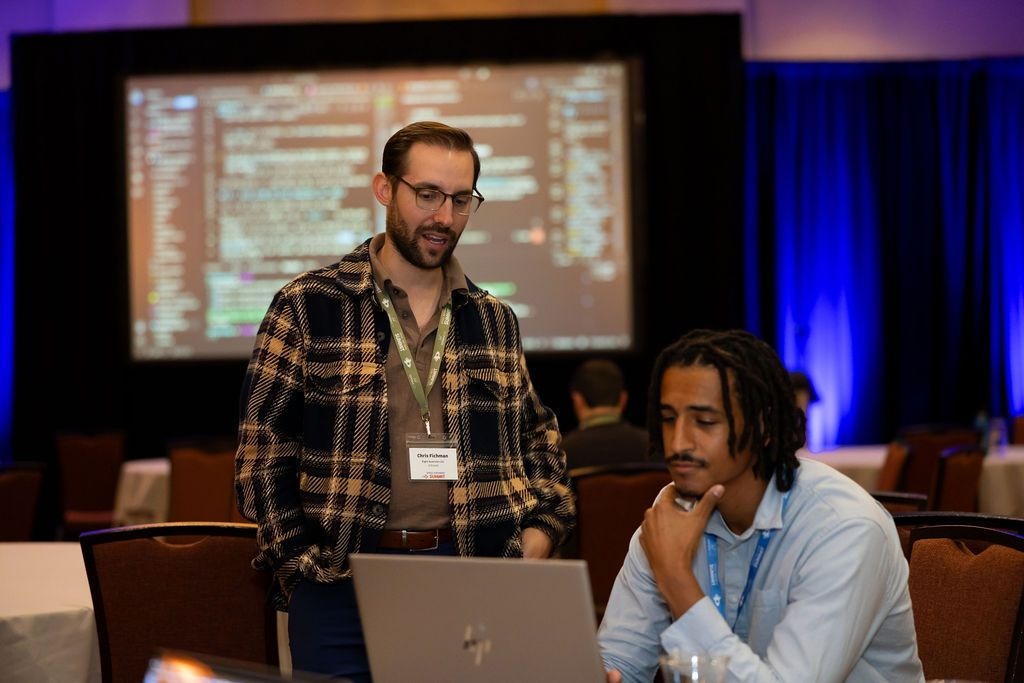
One of the more interesting discussions focused on microservices-based architectures and the complexity they can introduce.
While microservices offer modularity and flexibility, they also introduce communication overhead and additional components to configure and maintain. For data-intensive applications, an in-process architecture may offer advantages by reducing those dependencies.
The takeaway? There's no one-size-fits-all architecture. The right approach depends on the mission, its data-processing requirements, and the operational environment.
Perhaps the biggest takeaway was the importance of developing software that can support different missions without requiring engineers to rebuild the same foundational capabilities.
Different payloads, sensors, telemetry formats, and processing requirements create unique challenges. But that doesn't mean every mission needs an entirely new software architecture.
This is a challenge we know well at Necara. We developed Osteo DPE™ with a configurable, plugin-based architecture that allows engineering teams to ingest and process different data types while reusing the same foundational software across applications.
The Space Software Summit reinforced something I've believed for a long time: as space missions become more sophisticated, we need to be smarter about how we build the software supporting them.
The industry has no shortage of innovative tools and frameworks. The opportunity is in making them easier to integrate, adapt, and maintain so engineers can spend less time rebuilding infrastructure and more time advancing their missions.